

The Waymarker Approach
A grounded philosophy for creating steadiness with money
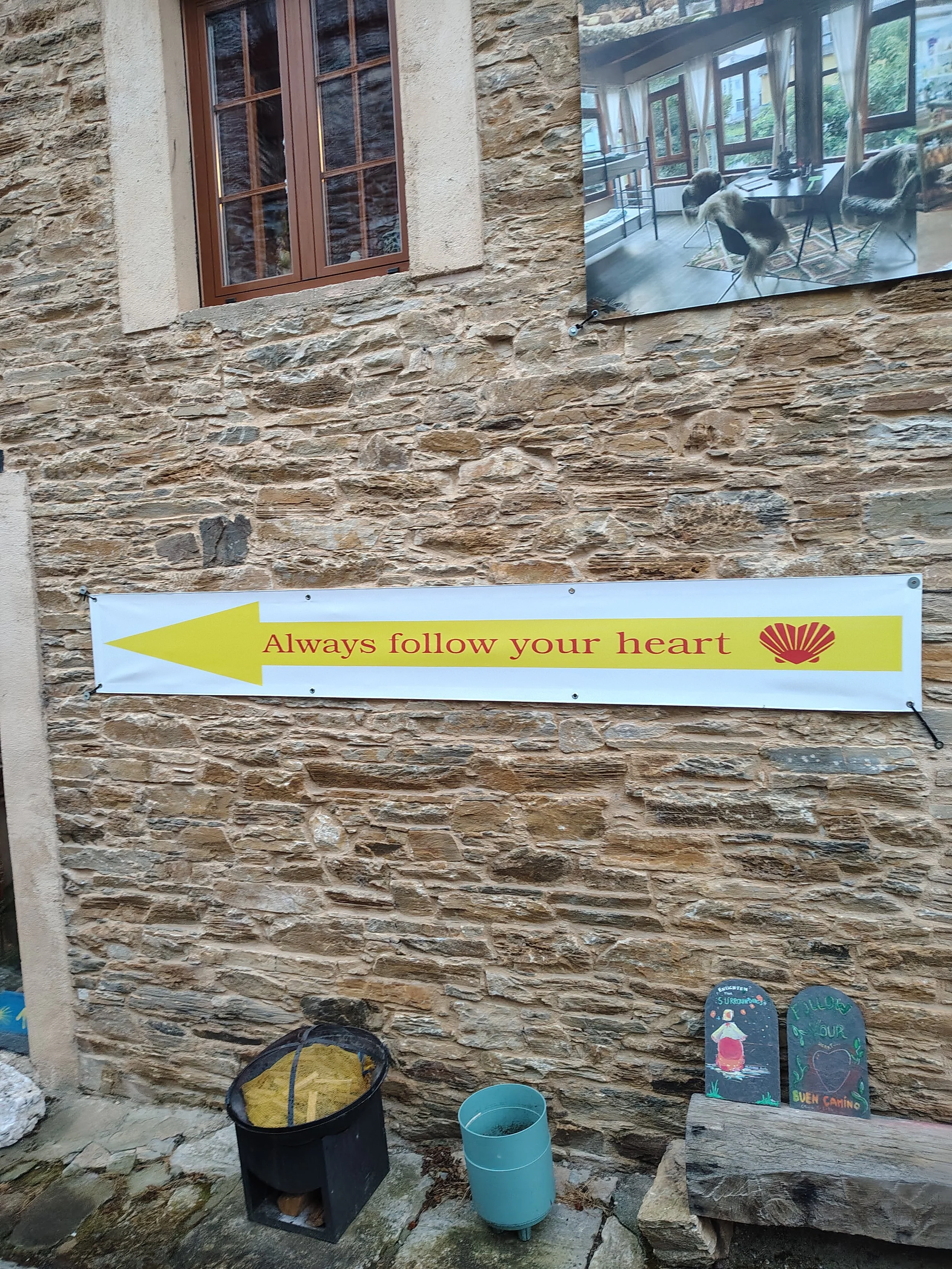
You don't need the whole route figured out. You need the next marker.
On the Camino de Santiago, waymarkers are clear markers placed along the path. They don't walk for you, carry your pack, or tell you how fast to go. They simply help you find the next step.
That's the idea behind the Waymarker Approach.
You don't need your whole financial life figured out before you begin. You need enough clarity to take the next meaningful step. Then the next.
Money is one of the places where we feel pressure most acutely. Decisions are often made while we're overwhelmed, rushing, avoiding, or trying to keep up.
More information rarely changes that.
The Waymarker Approach starts somewhere different. Before changing the numbers, we create the conditions that allow better decisions.
_________________________________
The Conditions for Good Decisions
Steadiness
Before we start changing anything, we create solid footing.
Steadiness isn’t about having everything figured out. It’s the point where urgency softens enough for you to see your financial life clearly.
Without steadiness, clarity is difficult.
With it, better decisions become possible.

_________________________________
Clarity Checkpoints
We slow the pace and look at what's happening.
Clarity Checkpoints are intentional pauses that help you:
● see patterns without judgment
● understand what's unfolding
● make decisions from reality, not reactivity
Clarity isn't about perfection.
It's about orientation.

_________________________________
Discernment
Discernment is what allows you to decide what comes next.
From there, you're better able to
● notice old patterns before they take over
● weigh your options more deliberately
● act from values rather than pressure
● take the next meaningful step
Over time, those choices become new habits.
This is where you begin navigating with intention instead of reacting to what's immediately in front of you.

_________________________________

Seeing the Whole Picture
Every financial decision has more than one dimension.
Math → Meaning → Movement
Money is never just numbers.
We work through three interconnected lenses that keep the process grounded and human.
Math
The practical side: cash flow, affordability, priorities, trade-offs, planning.
Meaning
The emotional side: patterns, stories, reactions, internal noise.
Movement
The behavioural side: choices, habits, and the way decisions unfold in real life.
Working with money this way allows us to see how these elements work together.
None of them stand alone.
_________________________________
Putting it into Practice
The Framework behind the Philosophy
Awareness → Acknowledgement → Aligned Action
When decisions arise, the Triple A Reflection Lens allows you to slow down.
This is a steady way to pause, notice, and choose with intention.
● Awareness: seeing what’s happening
● Acknowledgement: naming it without judgment
● Aligned Action: choosing the next step that fits your values and capacity
The Non-Budget
The Non-Budget isn’t about restriction. It’s a way of working with money that brings together math, meaning, and movement.
Instead of asking “How do I stick to a budget?”, it asks, “How do I make decisions that support my values, my life, and my capacity?”
Money Lanes™
Money moves through different parts of life for different reasons. Money Lanes™ create simple structure that reduce decision fatigue and help support where your money is meant to go.
Rather than treating every dollar the same, they account for everyday living, long-term priorities, future plans, dreams and the realities of being human. It’s a way of working with money that recognizes how life unfolds.
What this Approach Is Not
The Waymarker Approach isn't about finding the perfect system or following someone else's rules.
It isn't:
● quick fixes
● prescriptive financial advice
● rigid budgeting
● shame‑based accountability
● trying to optimize every decision
It's a grounded, human way of working with money — one that respects your pace, your capacity, and your values.
_________________________________
The goal isn't to have every answer. It's to become someone who knows how to find the next one.
Maura

If this Way of Working Resonates
You don’t need to have everything figured out before we talk
We can begin with a steady grounded conversation
______________________________